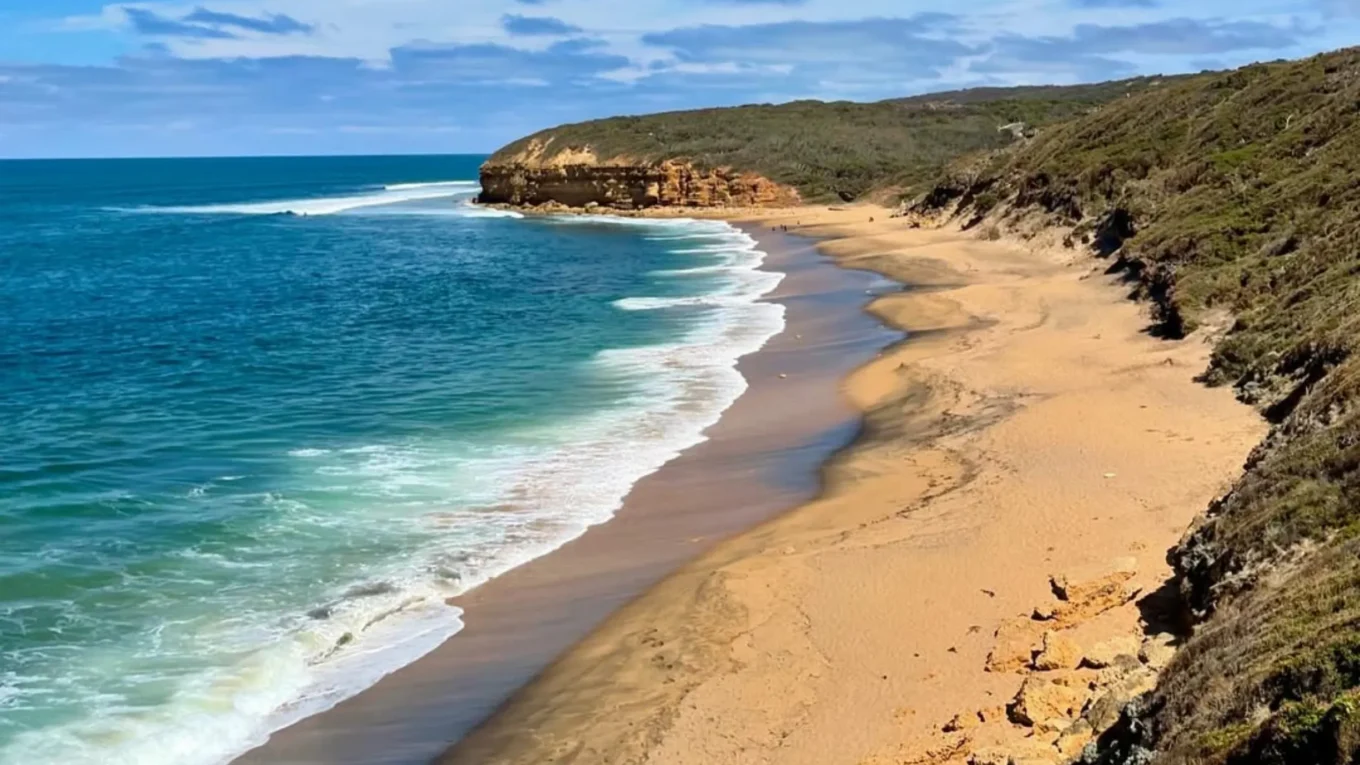
What Is the Speed Limit on the Great Ocean Road?
The Great Ocean Road is one of Australia’s most famous drives, with stunning views and winding roads along Victoria’s south coast. Whether you’re a local or an international visitor, knowing the speed limits is crucial for safety and road rules. Many people opt for a Great Ocean Road tour to see the region while being driven by experienced drivers.
General Speed Limits on the Great Ocean Road
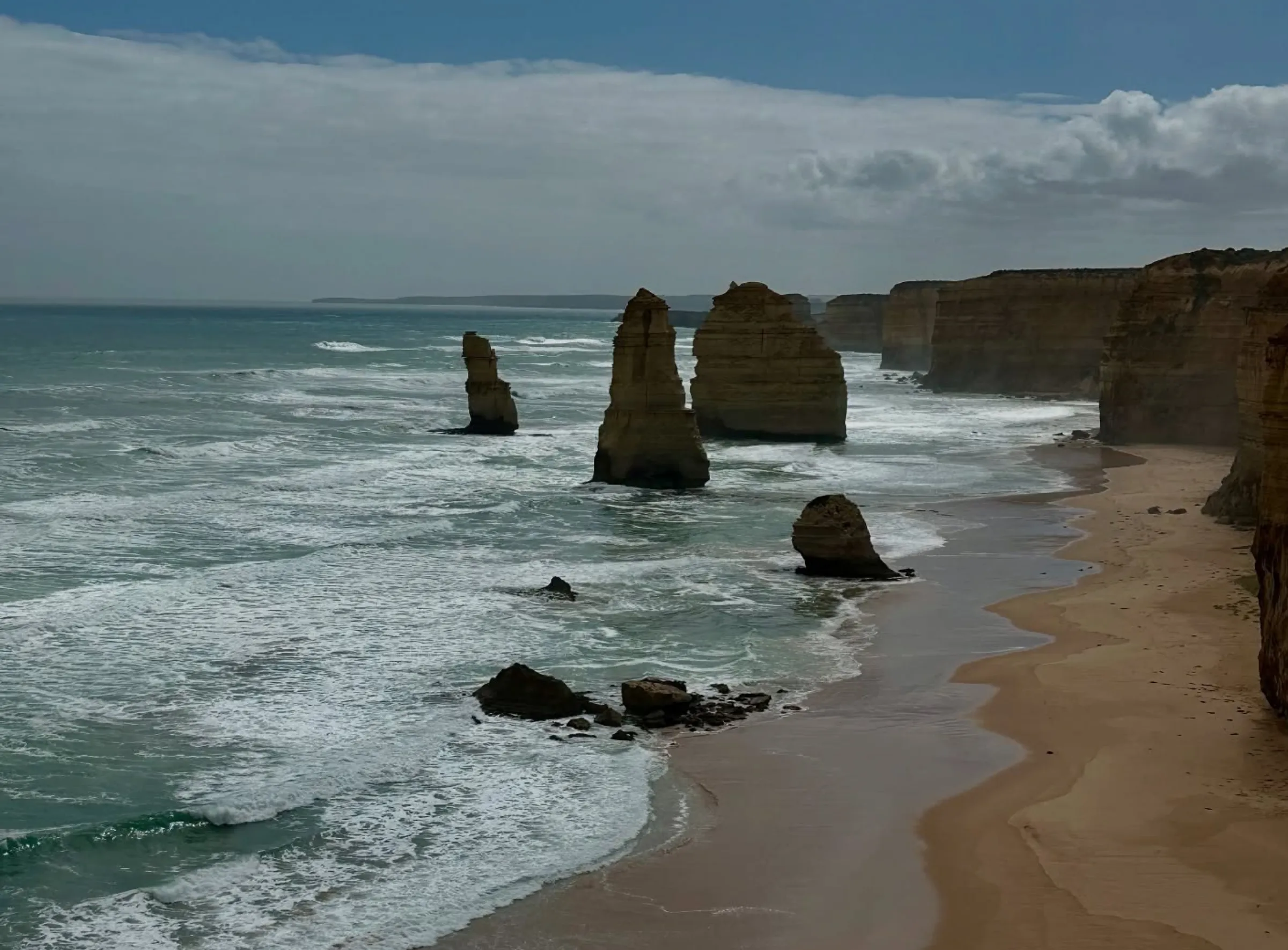
Speed limits along the Great Ocean Road vary depending on the section and conditions. Here’s a general guide:
- Urban areas and towns (like Aireys Inlet and Port Campbell): 50 km/h unless signed otherwise.
- Open road: 80 km/h in most areas, 100 km/h where possible.
- Winding and hazardous sections: 40 km/h in some areas due to sharp bends, steep hills and rockfall.
For those short on time, a Great Ocean Road day trip is a quick way to see the coastal views while ensuring drivers stick to the speed limits.
Why Do Speed Limits Change?
The Great Ocean Road has many sharp curves, narrow lanes and unpredictable weather, so you need to adjust your speed accordingly. The speed limits are in place for:
- Driver and passenger safety, especially for an experienced driver or a driver on a visa who’s not used to local conditions.
- Wildlife protection, as kangaroos, koalas and other animals cross the road.
- Road infrastructure protection, especially in National Parks like Otway and Port Campbell.
- Traffic management in tourist areas like the Cape Otway lighthouse tourist precinct and the scenic drives to the Apostles rock formations and London Bridge.
Many visitors choose a one day Great Ocean Road tour to see the highlights without worrying about navigation or speed restrictions.
Enforcement and Penalties
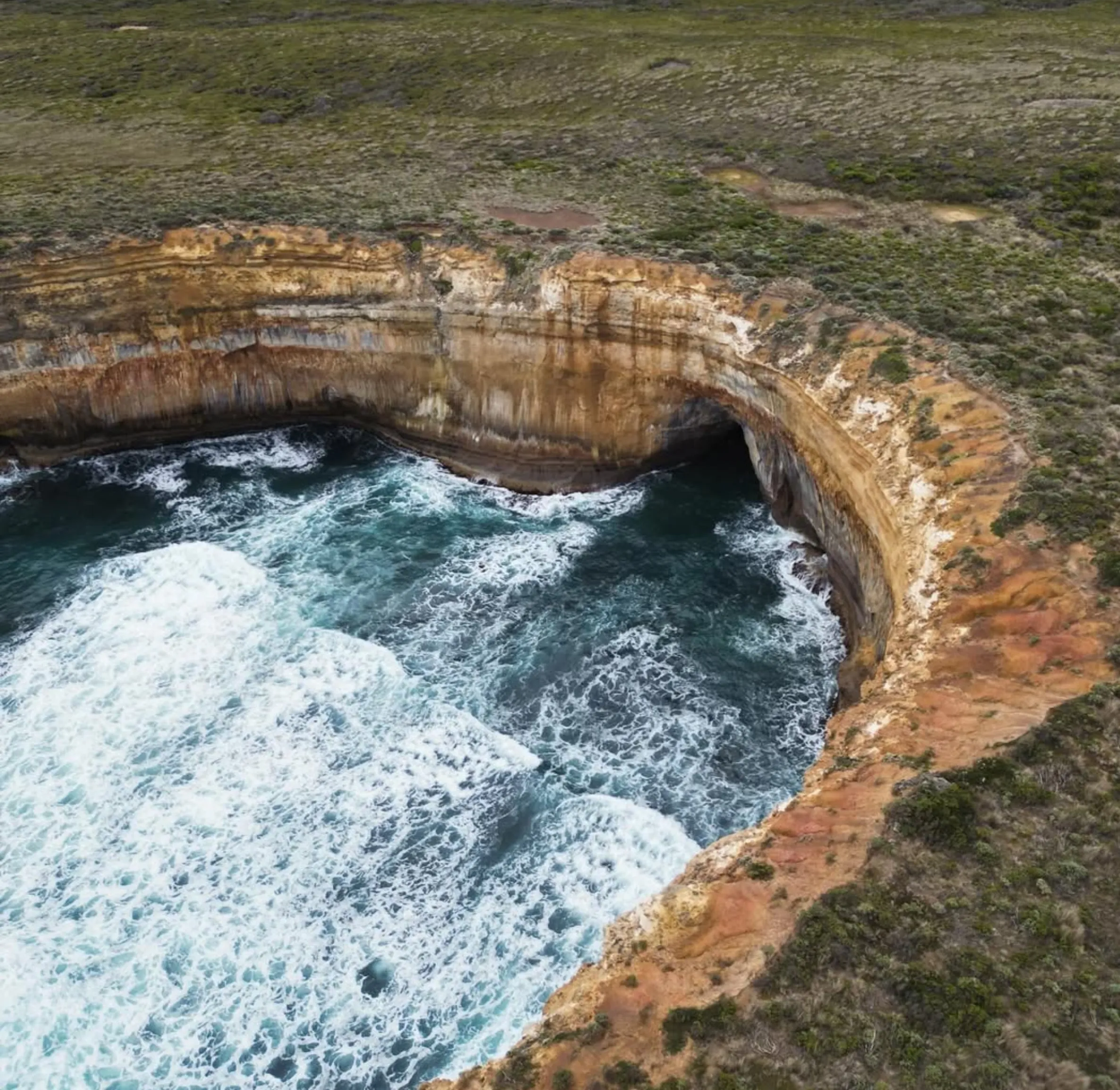
The Victoria Police patrol the Great Ocean Road, using speed cameras, automatic traffic counters and mobile patrol units to enforce the limits. Exceed the limit, and you can expect:
- Heavy fines
- Demerit points
- Suspension of your licence (for serious offences)
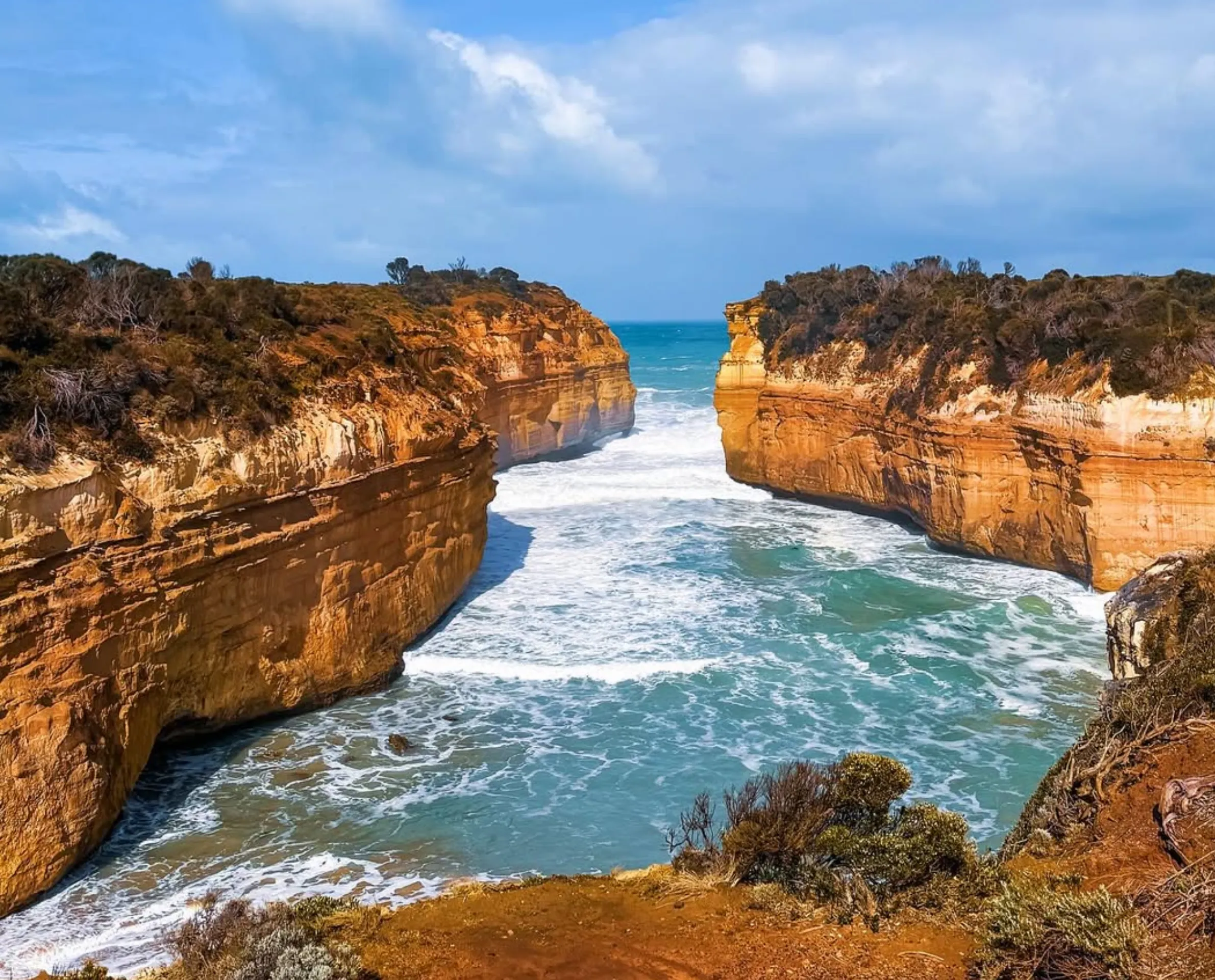
The Road Safety Strategy in this area includes measures such as reducing speed limits in hazardous sections, continuous two lane roads where possible and a focus on speed management to ensure all road users are safer.
For those looking for a relaxed and stress-free drive, Great Ocean Road day tours are a great way to enjoy the views while keeping within the limits.
Safe Driving Tips
- Follow the signs and be prepared for sudden changes, especially near the charming beach towns of Skenes Creek.
- Slow down on the corners and lookout points where other traffic often stops to take in the views.
- Watch for wildlife, especially at dawn and dusk.
- Avoid distractions and focus on the road, as conditions can change quickly.
- Check the weather before you go as fog and rain can reduce visibility especially on the forest drives near Erskine Falls.
- Be careful in high-traffic areas near Bells Beach and South Beach Road.
Conclusion
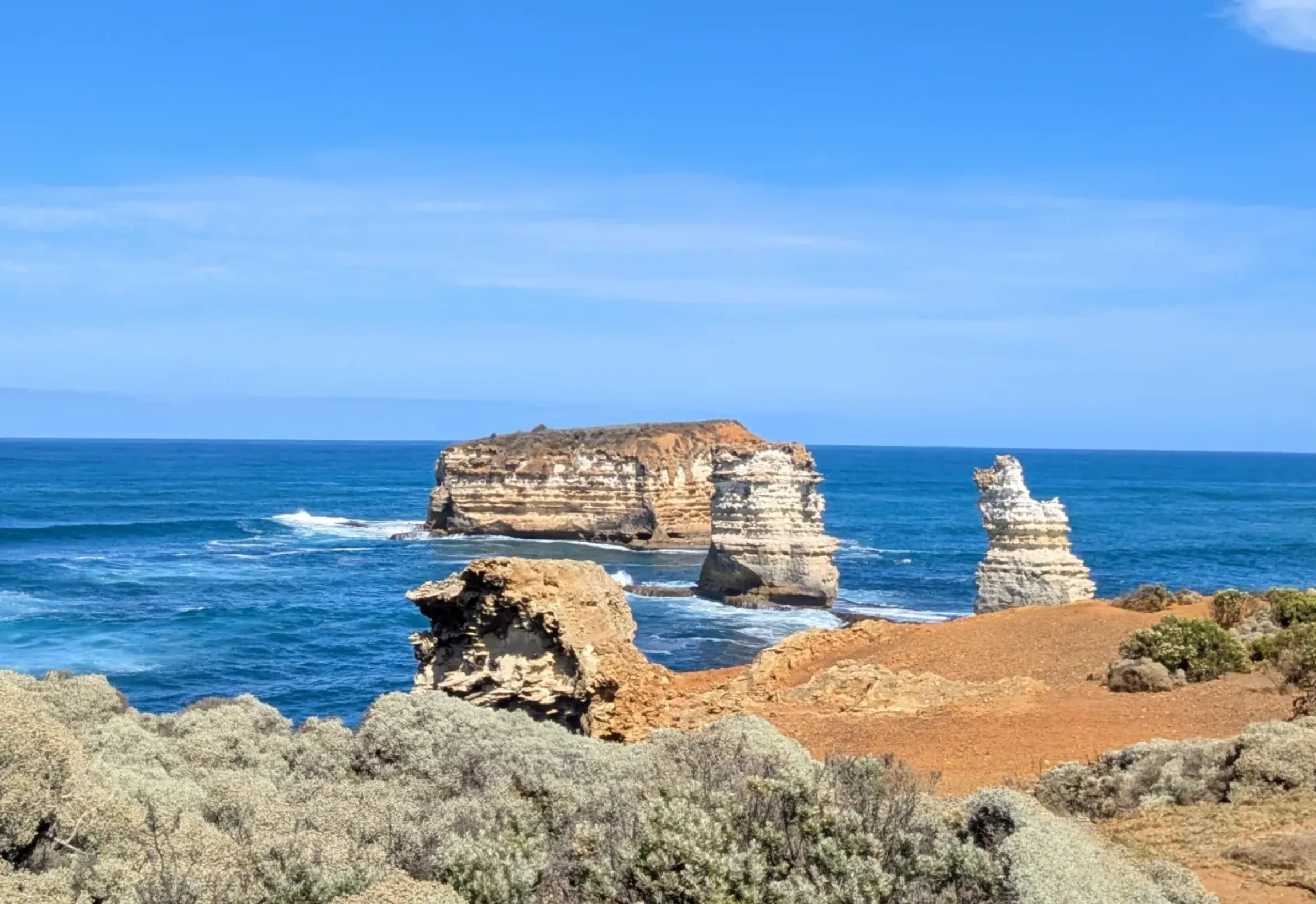
The speed limits on the Great Ocean Road are from 40 km/h to 100 km/h but it’s important to drive carefully and respect all signs. The speed reductions in certain areas are to keep speeds safe and not to slow you down.
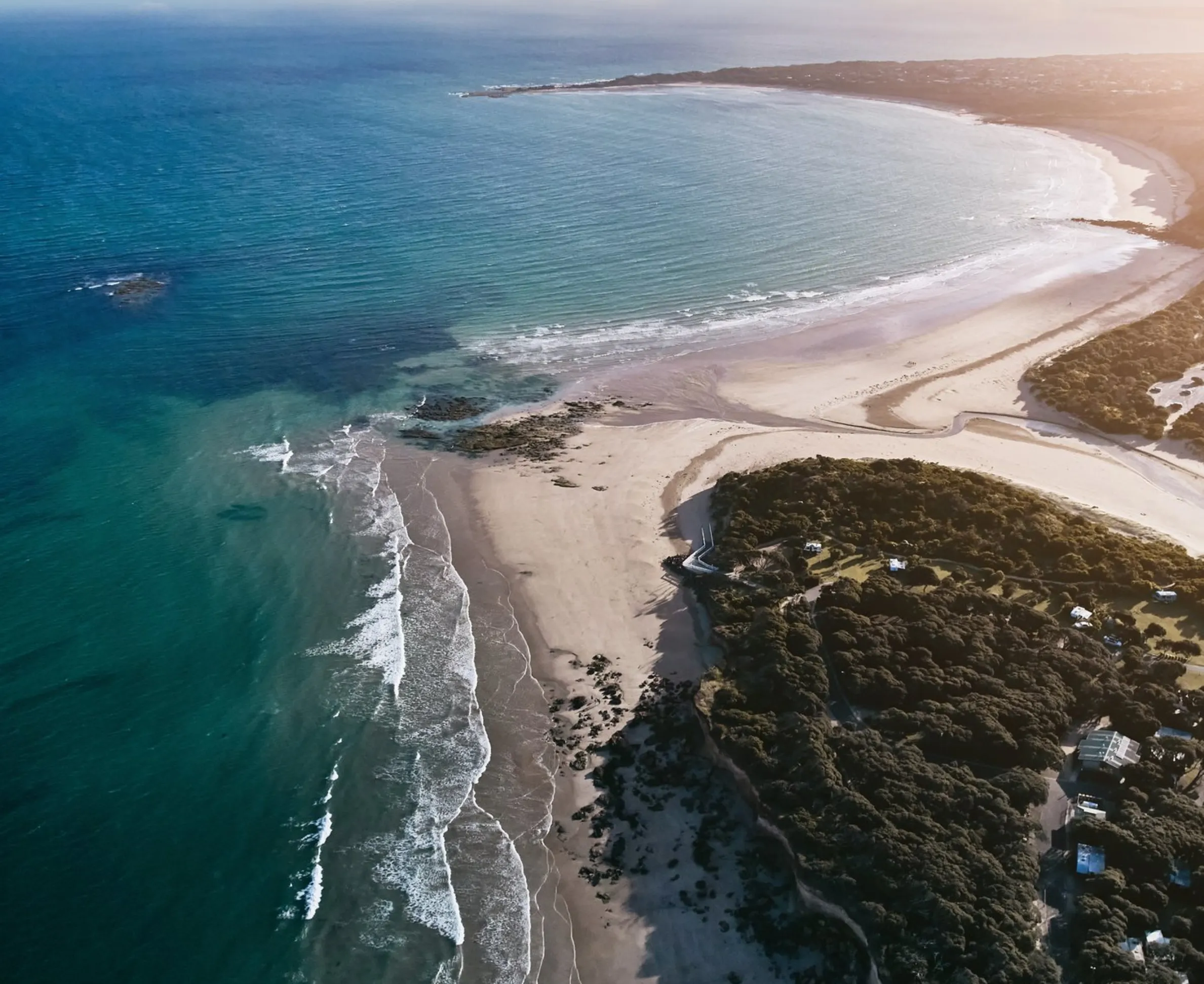
By following the speed limits, you can have a safe and unforgettable drive on one of Australia’s most famous touring roads. Whether you’re doing an Australian road trip along the Great Ocean Road or a short day trip, being aware of the speed limits and road safety is key.
If you’re departing from Melbourne, a Great Ocean Tour from Melbourne is a great way to experience this drive with an expert.
Frequently Asked Questions
What is the speed limit on the Great Ocean Road?
The speed limit on most of the Great Ocean Road is 100 km/h, but it varies depending on road conditions and signs. Many sections are 80 km/h due to bends and safety concerns.
Are there speed cameras on the Great Ocean Road?
Yes, speed cameras and mobile patrol units are used by Victoria Police to monitor speed and road safety.
Is the Great Ocean Road suitable for inexperienced drivers?
While the road is beautiful, it has many sharp turns, steep hills and unpredictable weather. It’s best for an experienced driver, but Great Ocean Road day tours are a great option for those who are not familiar with the road.
How long does it take to drive the whole Great Ocean Road?
Driving the entire Great Ocean Road non-stop takes around 4 to 5 hours one way. However, most people take a Great Ocean Road day trip or one day Great Ocean Road tour to see the main attractions at a leisurely pace.
Can I drive at night?
There are no official restrictions, but it is not recommended due to the lack of visibility, wildlife crossing and windy roads. Most tours and travellers prefer to do the road during the daytime for safety and better viewing.