Ningaloo Reef Facts
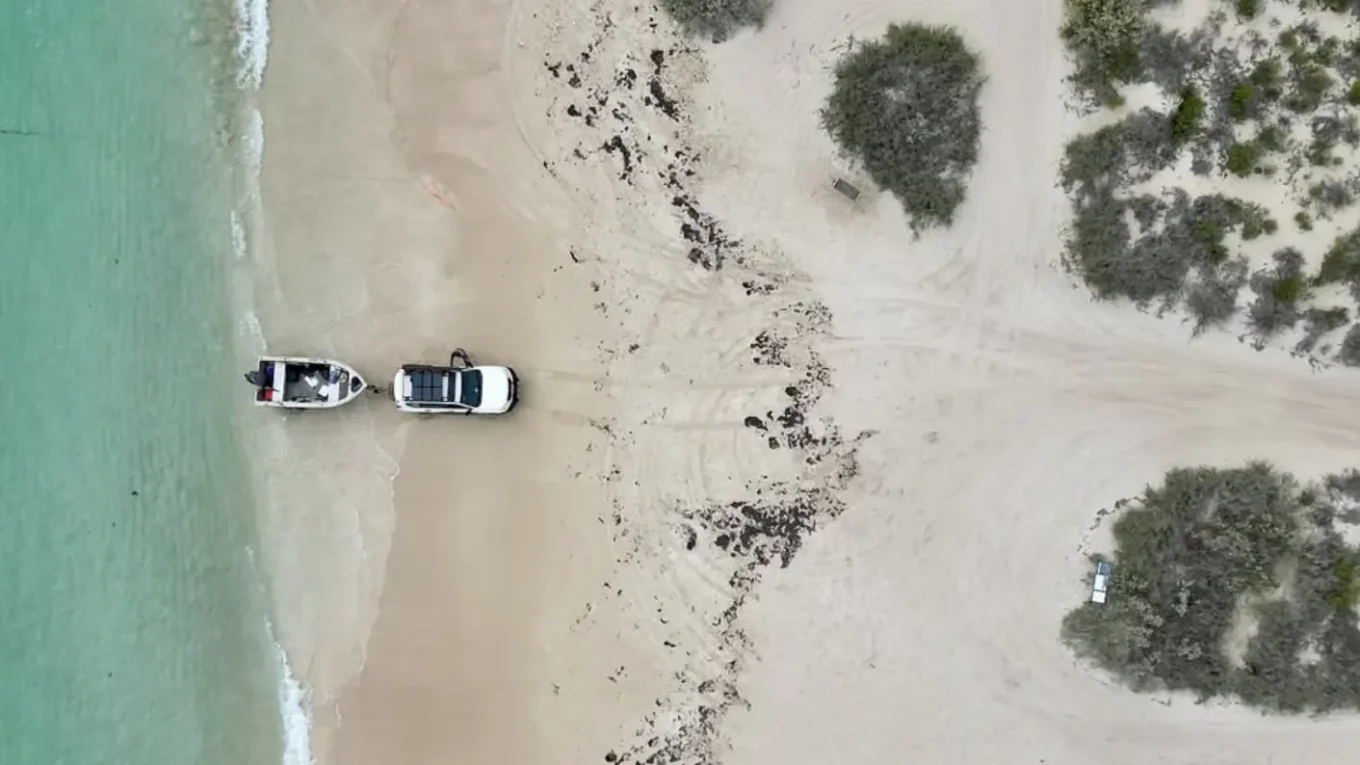
Ningaloo Reef, off the coast of Western Australia, is one of the world’s most incredible coral reef systems. Stretching 260 kilometers (162 miles) this UNESCO World Heritage-listed reef is famous for its beaches, clear waters, marine life and the annual migration of the magnificent whale sharks. If you’re planning a trip to explore this 300-kilometre long water world here are some fascinating facts about Ningaloo Reef.
Contents
- 1 Longest Fringing Reef in Australia
- 2 500+ Species of Fish
- 3 Whale Shark Hotspot
- 4 Humpback Whales
- 5 Indigenous and Cultural Significance
- 6 Protected Marine Park Status
- 7 Turtle Nesting Grounds
- 8 One of the Few Places for Drift Snorkeling
- 9 Beyond the Reef
- 10 UNESCO World Heritage
- 11 Climate Change and Management
- 12 Tourism and Adventure
- 13 Conclusion
- 14 FAQ
Longest Fringing Reef in Australia
Unlike the Great Barrier Reef which is an offshore barrier reef, Ningaloo is the longest fringing coral reef in Australia. This means it’s close to the shore and easily accessible from the beach, particularly in areas like Coral Bay and Exmouth.
500+ Species of Fish
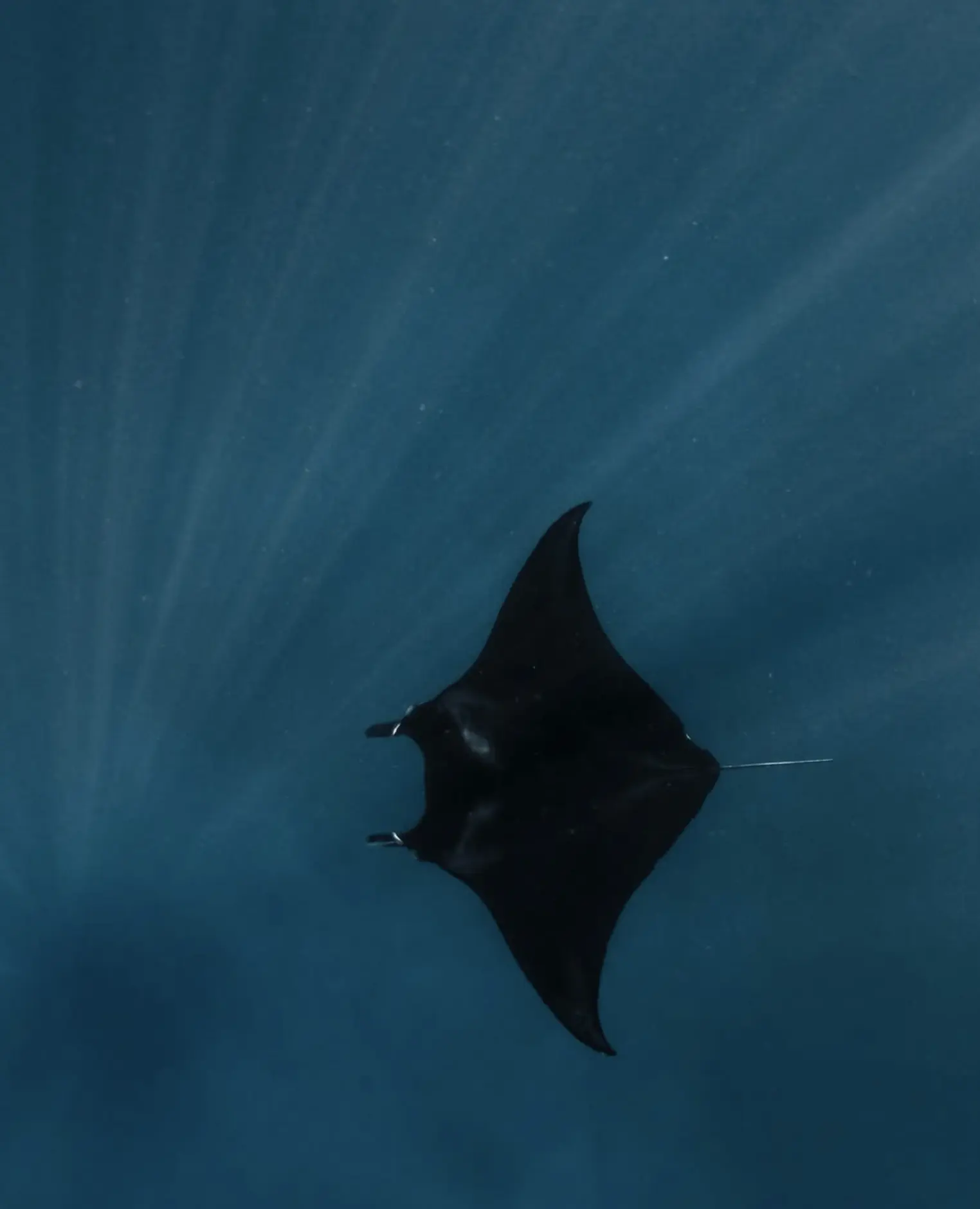
Ningaloo Reef has incredible biodiversity with over 500 species of fish and over 300 species of coral. From colourful fish, corallivorous fish, bone fish, and large pelagic species like manta rays and baby reef sharks it’s a diver’s paradise.
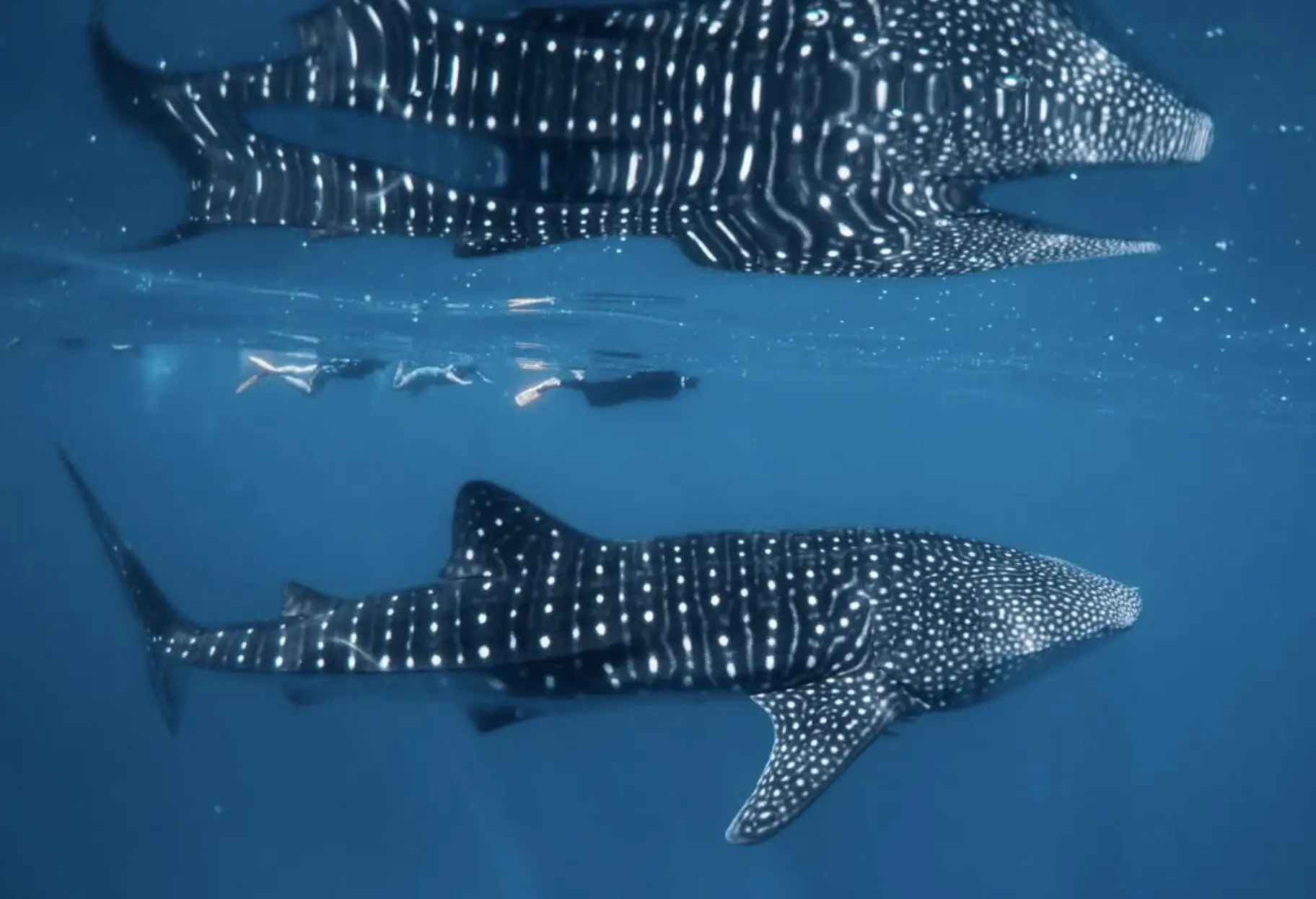
Whale Shark Hotspot
One of Ningaloo’s biggest attractions is the Ningaloo whale shark tours. Each year between March and July these gentle giants come to feed on plankton rich waters. Swimming with a whale shark is a bucket list experience for many travellers.

Humpback Whales
Ningaloo Reef is also a migration route for humpback whales. The density of humpback whales increases between June and November when thousands of these majestic creatures travel along the reef, giving visitors a deck experience and even boat trips.
Indigenous and Cultural Significance
For the Yinigudura (Ningaloo) people the reef has been a part of their culture for thousands of years. The Baiyungu, Thalanyji, and Yinikurtira people are the traditional custodians of the land and have a deep spiritual connection to Ningaloo Marine Park recognised through native title claims.
Protected Marine Park Status
Protected as part of the Ningaloo Marine Park, Ningaloo Reef is surrounded by other protected areas like Jurabi Coastal Park, Bundegi Coastal Park, and Jurien Bay Marine Park so the reef ecosystems are preserved for future generations.
Turtle Nesting Grounds
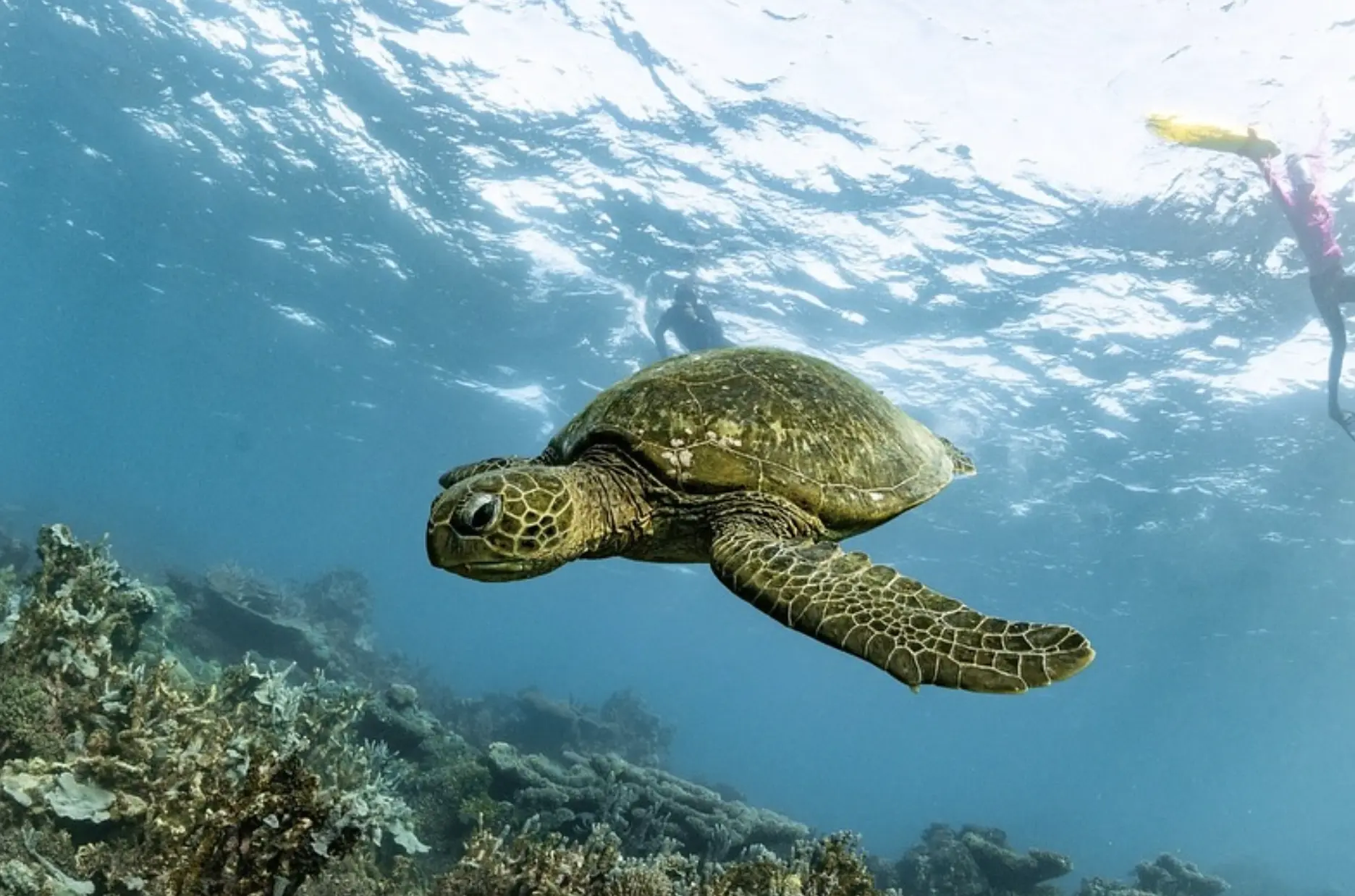
The beaches are turtle nesting grounds for green turtles, loggerhead turtles and hawksbill turtles. The nesting season is November to March when you can see adult turtles laying eggs on the ocean floor.
One of the Few Places for Drift Snorkeling
The reef is so close to the shore you can drift snorkel, especially at Turquoise Bay where the calm waters will carry you over the coral gardens teeming with marine life. It’s one of the best snorkeling spots in the world.
Beyond the Reef
The surrounding landscape includes Cape Range National Park a rugged terrain with amazing rock formations, deep water canyons, black-footed rock wallabies and abundant terrestrial wildlife like emus, wallabies and kangaroos. Nearby is Kalbarri National Park and Island Rock with more incredible landscapes and outdoor adventure.
UNESCO World Heritage
In 2011 Ningaloo Reef was declared a UNESCO World Heritage Site for its ability of reef communities to survive in an arid environment. Conservationists, scientists and diving enthusiasts are continuing to monitor, monitor and adaptively manage to protect the reef from the effects of climate change.
Climate Change and Management
The climate crisis and water extraction has raised concerns about ground water, water courses and sea level rise around Ningaloo. Broad management, effective management and engagement in management is crucial to protect the whole reef from wildlife disturbance and corals after disturbance.
Tourism and Adventure
Book with Exmouth Dive, Carnarvon Exmouth, Exmouth Coral Bay Carnarvon or Exmouth Escape. From dive trips, glass bottom boat tours, Cray Boat tours the reef has something for the adventurer. Stay at Coral Coast Tourist Park or nearby Holiday Parks. For guided Ningaloo Reef tours from Perth – Autopia Tours has great tour options around the Coral Coast.
Conclusion
Ningaloo Reef is a stunning coast gem. Whether you’re snorkeling with whale sharks, exploring coral, or seeing turtle hatchlings, this coastal waters is a must see for nature lovers. Monitoring and resilient reefs is key to keeping Ningaloo’s magic for future visitors.
FAQ
When is the best time to visit Ningaloo Reef?
March to July for whale sharks and June to November for humpback whales.
How do I get to Ningaloo Reef?
Ningaloo Reef is accessed via Exmouth and Coral Bay. Fly into Learmonth Airport and drive to these coastal towns.
Is snorkeling safe at Ningaloo Reef?
Yes! The reef’s flat waters and close-to-shore coral makes snorkeling safe and easy, especially at Turquoise Bay.
What marine life can I see at Ningaloo Reef?
Whale sharks, manta rays, humpback whales, sea turtles, reef sharks and over 500 species of fish.
Are there accommodations near Ningaloo Reef?
Yes! Visitors can stay in Coral Bay, Exmouth, or nearby holiday parks such as Coral Coast Tourist Park.