Put simply, in a biodiversity comparison the Great Barrier Reef has more to offer by way of scale and total numbers; it is the bigger, more species-dense system. But should you prefer a fringing reef that is more compact, with better shore access and the kind of megafauna that make headlines, then Ningaloo will put in a good performance. That is the unvarnished truth rather than what you will find in a brochure.
The Great Barrier Reef is an enormous barrier reef system where the story is one of vastness and the sheer count of species across varied habitats. With Ningaloo Reef you are looking at a narrower piece of the Western Australian coast but one ecologically rich enough to afford some outstanding wildlife encounters. As Andrew Holloway might say, the one is an overachiever on a continental scale, the other is your quiet local who happens to be with the whale sharks.
They are both World Heritage listed and of global import as marine hotspots, yet neither is a substitute for the other. And while they have their share of threats from human pressure, bleaching and marine heat stress, there is no mistaking them. On biodiversity alone the Great Barrier Reef is richer in habitat complexity and head counts. As a visitor though, the biodiversity of Ningaloo tends to be more of an immediate affair with its diverse Ningaloo underwater life.
Key Differences At A Glance
For those not inclined to wade through scientific jargon, read this before you go down the rabbit hole. It covers the practicalities of size and structure and the sort of wildlife each is put forward for.
Andrew Holloway has been around Australian tourism long enough to know the question is rarely “which reef is better?” but “better for what?”
| Feature | Ningaloo Reef | Great Barrier Reef |
| Reef Type | Fringing reef | Barrier reef |
| Approximate Length | Some 300 km of coastline | A 2,300 km system |
| UNESCO Listing | Ningaloo Coast (UNESCO) | World Heritage Area |
| Coral Diversity | High if not quite as much as the GBR | Very high, in the world’s top tier of coral systems |
| Fish Diversity | High Indo-Pacific | Larger total species count, extremely high |
| Headline Wildlife | Turtles, humpback whales, manta rays and whale sharks | Dwarf minke and humpback whales, turtles, sharks and rays as well as reef fish |
| Access | Short boat runs or from the shore is often excellent | In many areas a pontoon, liveaboard or boat trip is de rigueur |
| Main Visitor Strength | Compact logistics and proximity to wildlife | Broad value for reef species comparison, range of habitat and scale |
Scale, Geography And Habitat Types
The distinction between a fringing and a barrier reef is of consequence here, not in any academic sense but in terms of how it affects currents and what is on view after a day on the water. One would be hard pressed to think all coral reefs are alike. They are not. The way Ningaloo and the Great Barrier Reef are constructed is different and that is true of everything from the fish to the tourism.
How The Reef Shapes Biodiversity
As a fringing reef off the Western Australian coast, Ningaloo is right up against the shore. In places you can be off the sand and over the coral in your mask in short order. There is an accessibility to the biodiversity that is one of its selling points.
Off Queensland you have the barrier reef system of the Great Barrier Reef. It is of a completely different magnitude, comprising thousands of cays, islands, seagrass meadows, mangroves and inter-reef habitats as well as lagoons. You have more habitat types and therefore more ecological niches and species to go with them. Hence the higher species count in a GBR vs Ningaloo reckoning. Then again, a snorkel at Ningaloo is enough to leave visitors talking up the diversity of life they have found in that coastal strip.
What This Means On The Ground
One day is all you have? You can put in a good sample of Ningaloo without the boat logistics of the east coast, Exmouth and Coral Bay being convenient gateways to the reef. An excellent day can be had on the Great Barrier Reef in a single trip, but one has to factor in that longer offshore runs, the weather and getting to the marinas will make in-water time all the more precious. Put it another way: on most of the GBR’s day tours you will see half your day go on boat transit, check-in, marine briefings and transfers. No complaint there, it is simply the nature of a barrier reef. At Ningaloo you are likely to be in the water a good deal earlier, wind and tide permitting. The ocean is not going to be swayed by your booking confirmation.
Reef Life and Species Richness
The Great Barrier Reef is the unqualified answer if you put it to them as to which has the preponderance of species. In terms of sheer biodiversity from corals and molluscs to echinoderms, seabirds and the coastal habitats that go with them, the GBR has it. But then again, raw numbers are only part of it. Biodiversity is not a scoreboard; for a traveller in the water it is as much about how visible a species is and matters of abundance and predictability.
Corals
Australian and reef science authorities will tell you the GBR has over 400 coral species. Ningaloo has its own rich fauna of corals, though overall it does not equal the Great Barrier Reef. Sources and survey methods may differ on the exact figures for Ningaloo, but the consensus is plain: plenty of diversity, if not the total richness of the GBR. Biologically this is understandable. The GBR covers far more ground in terms of latitude and habitat settings. Yet Ningaloo’s coral communities are ecologically important in their own right, particularly in how they interface with deeper waters off the west coast.
Other Taxa
You will find the same with reef fishes. GBR diversity is commonly put at 1,500 species, to say nothing of the sponges, crustaceans and thousands of molluscs. Summaries for Ningaloo will have you with some 500 or more fish species, whale sharks, turtles, rays and an abundance of invertebrates, but on a smaller scale. Do not mistake “smaller” for “sparse”, as many do. Ningaloo is anything but. It is biologically rich for a reef system so readily available from the coast. The upshot is that while the GBR is richer in aggregate, a casual visitor might well feel Ningaloo to be the richer experience per hour when wildlife presents itself in short order.
Megafauna
Then there is the matter of megafauna and what turns statistics into an experience. A humpback’s exhale on still water or the slow roll of a manta or the shadow of a whale shark are what stays with you. Andrew Holloway would argue that biodiversity is not just the big charismatic animals, but when one of them passes under you theory is left behind.
Whale Sharks and Mantas
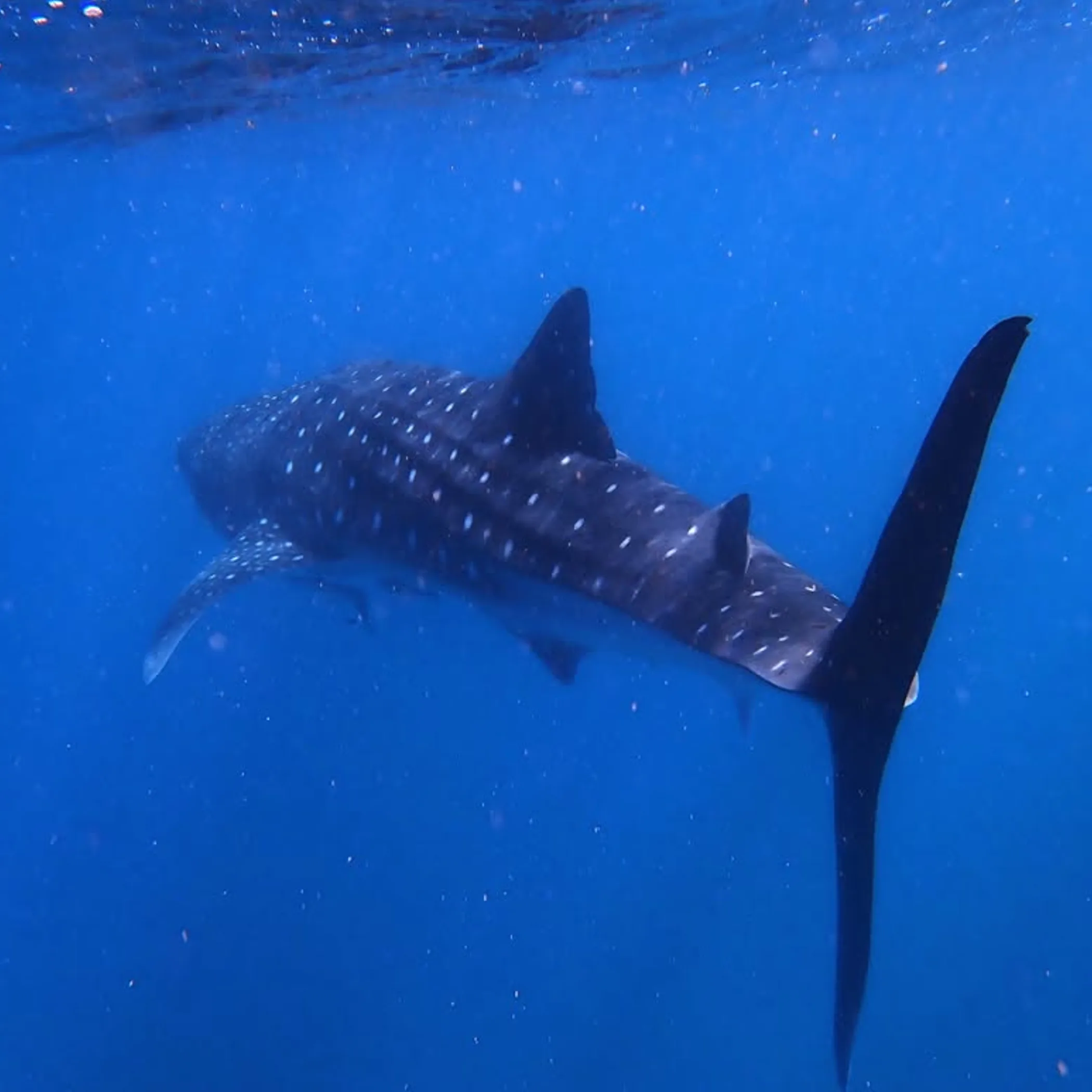
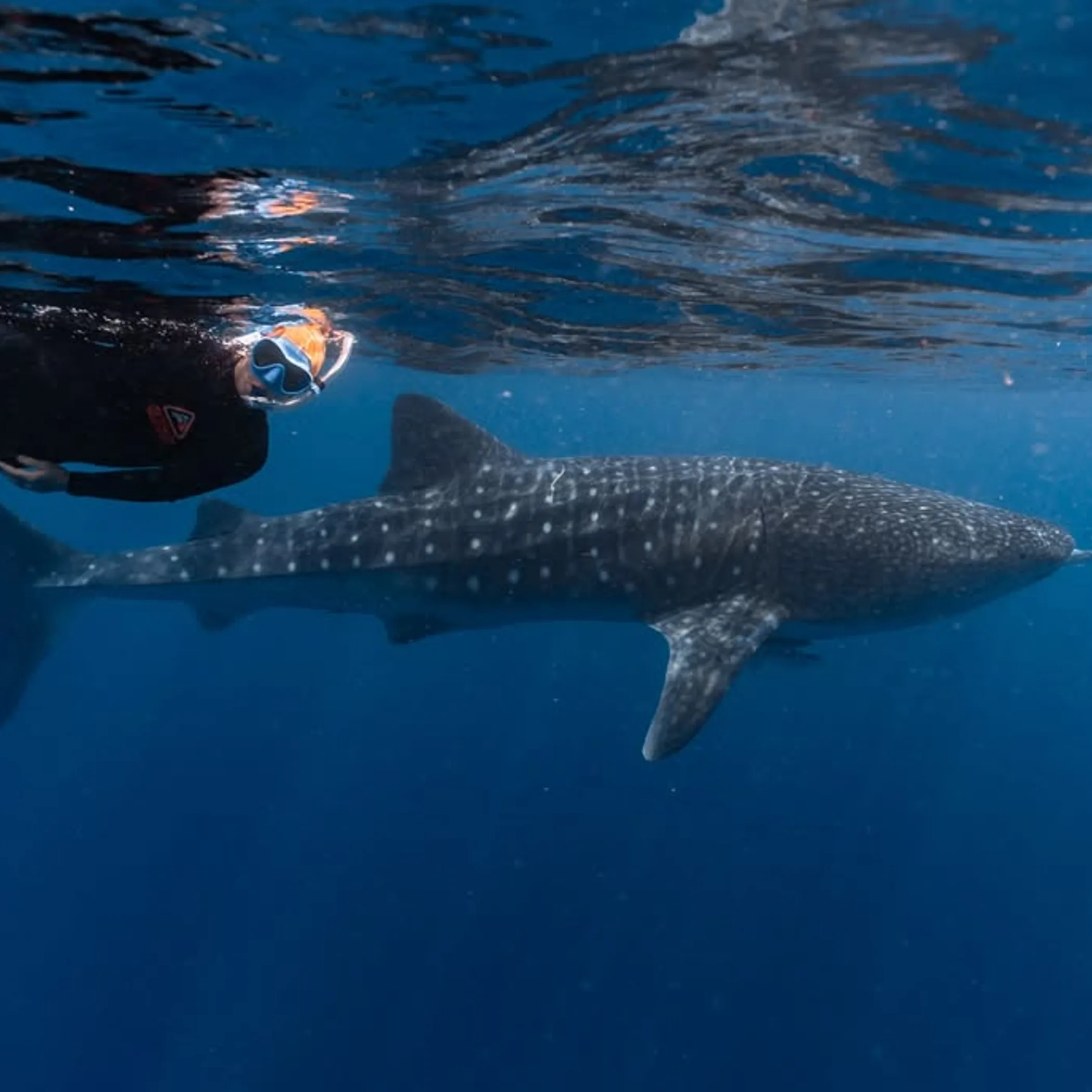
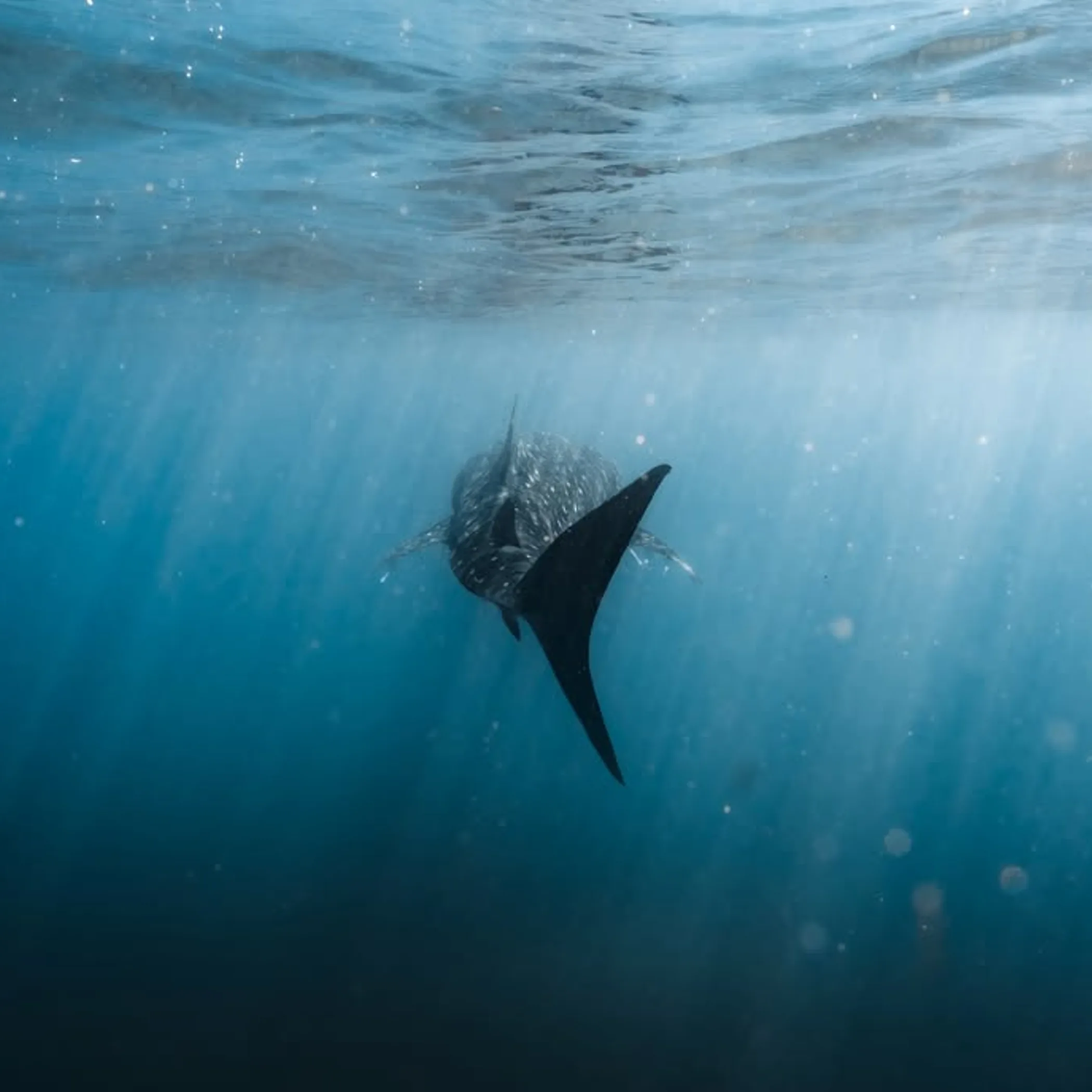
At Ningaloo the whale sharks are the headline act. The season is the main attraction and is tied to ecological pulses following coral spawning, although operator reports and conditions will dictate your success. You get more predictable encounters with whale sharks at Ningaloo than you would as a rule on the Great Barrier Reef. Manta rays are of note too, around Coral Bay for instance. The GBR has its share, but Ningaloo’s compact geography and aggregation sites mean an ordinary visitor can count on seeing them without needing to mount a specialist expedition.
Turtles and Whales
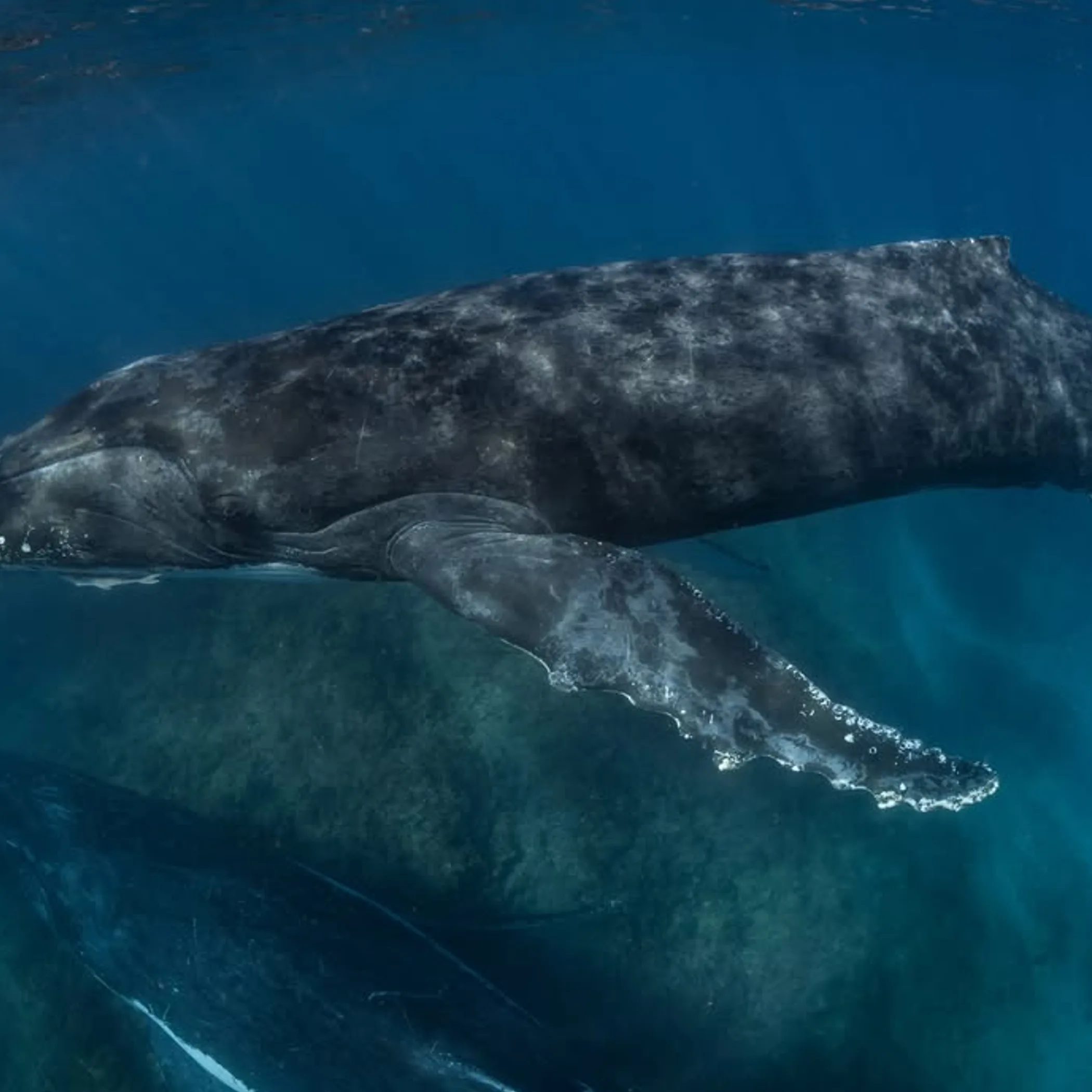
Humpback whales and sizeable turtle populations are found on both. There is nesting in the wider regions of each, albeit in different management zones and island rookeries. For viewing a mix of humpbacks (in season), whale sharks, reef and manta rays and turtles in a confined space, Ningaloo is hard to fault. On the other hand, the GBR’s vastness affords it huge turtle populations and key migration and feeding grounds in seagrass and coastal areas. Where total ecological significance for marine reptiles is concerned the GBR is difficult to surpass. If you want to come away with several iconic species and not have to be a hero with the logistics, Ningaloo is often the better bet.
Endemism
And here the comparison becomes more interesting and nuanced. For it is not only a case of how many species inhabit a place but what part they play and how distinctive the community is.
It is not hard to put off this part of the discussion, it has an academic ring to it. Some do. Yet in truth it explains how a reef may appear in good shape above water and at the same time be putting its ecological function under duress below.
Different Systems, Different Jobs
You will find a more expansive ecological representation on the Great Barrier Reef. There are lagoon and deep channel systems, outer and inshore reefs, seagrass meadows, mangroves and island habitats that sustain food webs of which coral gardens are only a part. The whole complexity is where you will come by predator-prey dynamics, nursery fish, dugongs, turtles and seabirds.
Ningaloo is significant for the proximity of open ocean, shelf and reef processes. In such a confined coastal environment nearshore habitats, pelagic visitors and nutrient flows have to interact. It is what allows Ningaloo to put on a show of wildlife without being a huge offshore barrier like the GBR, but a fringing reef.
Conservation Status And Main Threats
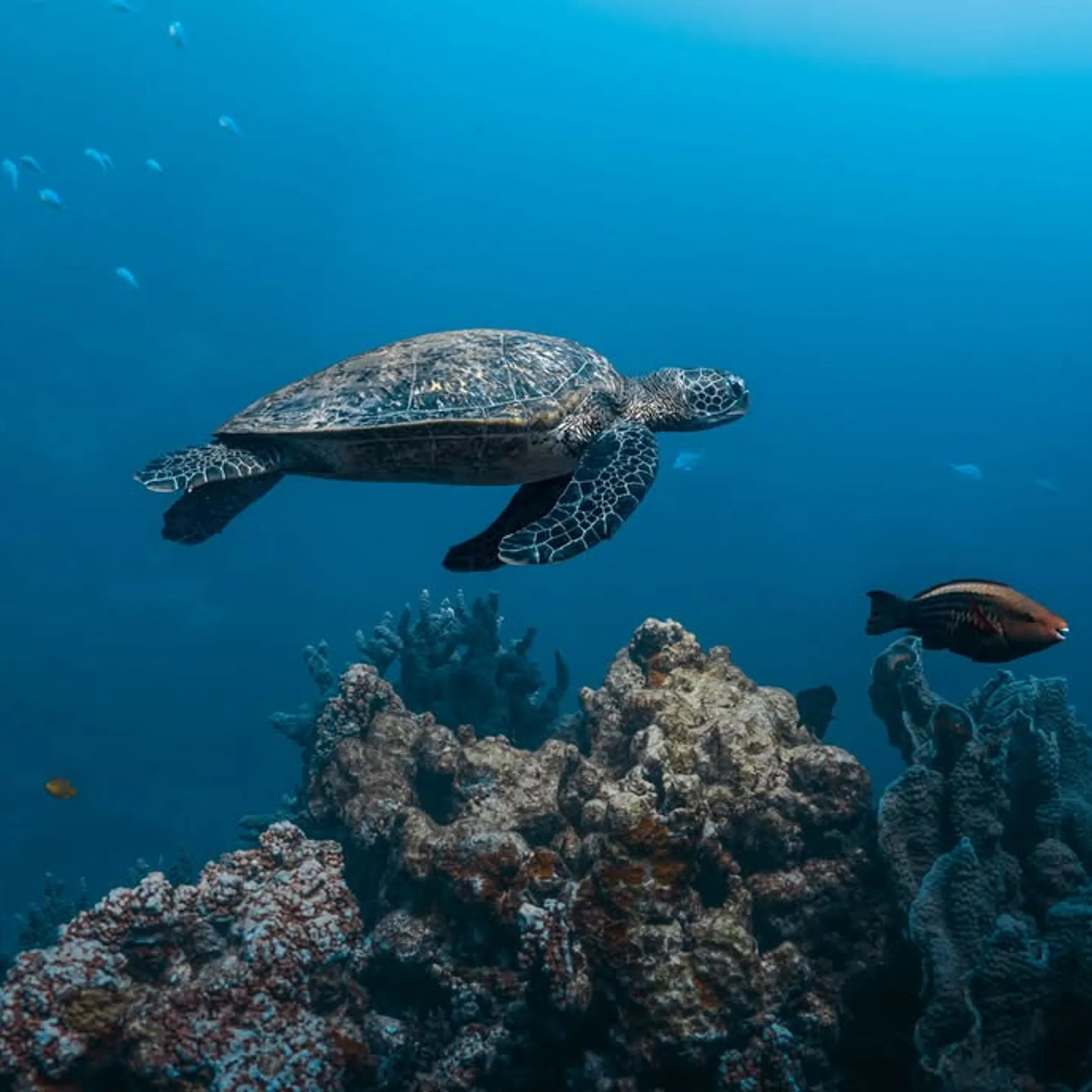
They are both of global import and they are both feeling the strain. Do not be fooled if someone is expounding on marine conservation at the GBR or Ningaloo and makes no mention of climate stress.
Coral bleaching from marine heatwaves is the common denominator. Then there are cyclones, issues with water quality, the odd outbreak of crown-of-thorns starfish in the GBR, fishing and in some places tourism, and the conservation equation becomes a tangled one in short order.
World Heritage And Management
UNESCO’s World Heritage designation for the Great Barrier Reef and the Ningaloo Coast is an acknowledgement of natural value, nothing more. An important listing it may be, but it will not make ocean warming go away. On the east coast the GBRMPA is the main body for monitoring and management of the reef; in Western Australia it is left to the research partners and state agencies in the case of Ningaloo.
Bleaching is still the preoccupation of both systems as things stand. The Great Barrier Reef has had its share of repeated events in recent years, Ningaloo too has taken some heat and seen the effect on the coral. How much depends on where you are and when you survey. So you can dismiss out of hand any pronouncement that “reef X is dead” or “reef Y is unscathed”.
Expectation Vs Reality
The expectation is that one reef is in fine fettle and the other a write-off. The reality is that both have their stressed areas and their areas of great worth, and some will recover in different fashion according to the vagaries of storms and heat and larval supply and local management. Coral reefs are dynamic creatures. Not that all loss is acceptable, but an honest comparison calls for some nuance.
Then there are the Australian Conservation Foundation and Coral CoE who have done their part to focus the public mind on the science of reef condition and the long-term risks of climate. Their input is needed, otherwise management can become too complacent in the absence of scrutiny.
Research, Monitoring And Better Data
Put aside the tourist snapshot, it is not the same as a proper survey. To get a straight answer on a matter of species comparison you need to know what was measured and by whom and when.
Online comparisons have a way of falling down here, conflating figures from disparate regions and years and passing it off as a fair result.
How To Read Reef Numbers Properly
By virtue of its size and the attention it attracts, the Great Barrier Reef has better public visibility in the research sphere. One will find the reporting on species, bleaching and water quality more readily available than for Ningaloo, which has its excellent science but does not have the casual reader looking for it.
Stick to the data of official agencies and peer-reviewed work when making a comparison. A reef can be colourful enough to give the impression of good health on a nice day out snorkelling but be ecologically strained. No, it is not the same thing. Sorry.
Visitor Access, Costs And Responsible Visiting
Travel planning and biodiversity intersect here. You might be able to tell which reef has the most fish but if you book the wrong trip or the wind decides to make a saltwater washing machine of your snorkel it is of no consequence. Andrew Holloway has made note of more than a few travellers who let their optimism get the better of them. Reefs are not theme parks. A host of things will come into play: the weather and the tide, how far you have to put in, and your level of confidence in the water.
Getting There And The Cost Of It
For Ningaloo one generally goes via Exmouth or Coral Bay in WA. A flight or an arduous road trip will get you to Exmouth; Coral Bay is of a smaller order and has its limitations. At the better known snorkel beaches shore access and parking are no trouble at all, though wind and swell can alter the conditions. When it comes to boat tours for humpback whales, manta rays or whale sharks in Ningaloo, expect to pay more than for a simple shore snorkel and make allowances in your budget. Put simply, a guided wildlife tour is several hundred AUD a head, whereas doing it on your own is much less provided you have the skill and the conditions are right.
The Great Barrier Reef is another matter; what you experience will be dictated by whether you are in Cairns, Port Douglas, Townsville, Airlie Beach or the Whitsundays. Day tours mean longer runs from the boat and marina parking fees, not to mention a full day’s schedule. Do not mistake a low fare for a good deal if it means queuing for most of it. Once you add in the gear, meals and transfers, the standard reef day tour for most will be in the few hundreds of AUD.
Who Is Where For?
- Ningaloo is for: the confident type of snorkeller, the family after some easy options from the beach, or those with an eye on the whale shark season and manta rays.
- The Great Barrier Reef caters to: divers wanting to hit a number of sites and any traveller who wants the full measure of habitat and biodiversity the GBR has to offer.
With but a day to spare, make for Ningaloo for something close at hand or book a well reviewed outer-reef excursion out of Cairns or Port Douglas for the GBR. If you do not like chop or are not a strong swimmer, do not be under the impression that either system will be flat as a pancake; they have a way of catching you out. A bit of surge and some of the shore entries at Ningaloo are off limits to the novice. Then there are the GBR boat trips which can be rough as guts when the wind is up. Seasickness is not concerned with how excited you may be.
Visiting With Low Impact
- Go with an operator whose briefings are realistic and who has proper wildlife protocols, not one that is all glossy advertising.
- There is no standing on coral or herding a turtle for the camera, nor should one crowd a whale shark.
- Good buoyancy and controlled fins are part of being reef-safe, as is leaving the marine life alone.
- And do not underestimate the season. In remote WA have a contingency for the wind or a closure of the marine park.
- On a practical level the tropical heat and stinger season in parts of the Great Barrier Reef will determine if the day is magical or just sticky. Not every postcard day lends itself to a good snorkel.
Faq — What People Want To Know About Ningaloo And The GBR
You have read six articles that contradict each other and got nowhere with them. We will give you the straight answer to these common questions.
Is Ningaloo Better Than Great Barrier Reef?
In terms of pure biodiversity, no. The Great Barrier Reef is of a greater size and species richness. But for encounters with whale sharks or manta rays that are readily had from the shore or a short boat ride, Ningaloo has the edge.
Is The Ningaloo Reef Bigger?
No, the Great Barrier Reef is in a different league altogether. Ningaloo is some 300 kilometre along the coast of WA, the Great Barrier Reef puts in 2,300 kilometre and has thousands of reefs to its name.
How Biodiverse Is The Great Barrier Reef?
One of the most significant coral reef systems on the planet. There are over 400 species of coral, 1,500 of fish and invertebrate diversity to match, alongside major habitats for seabirds, turtles and marine mammals.
What Makes The Ningaloo Reef Important?
It is ecologically and socially so because of its fringing reef and closeness to the deep ocean, and for the fact that it is of global importance to such as the whale shark. You have rich biodiversity and the megafauna is predictable.
Which Suffers More From Bleaching?
Both are open to it and the severity is a matter of location and the event in question. The Great Barrier Reef makes the headlines for its size and the scale of the bleaching, yet Ningaloo is subject to marine heat stress too. Check official sources for the current state of things rather than making assumptions.
Final Take For Travellers And Reef Nerds
Put a scientific spin on the matter and you will find the Great Barrier Reef to have the edge over Ningaloo when it comes to the numbers: total scale, species richness and the diversity of habitat. It is the most straightforward way of looking at it. Yet for an experience with marine life that is as practical as it is concentrated and hard to put out of one’s mind, Ningaloo has much to offer.
One cannot say Ningaloo is superior in all respects any more than the Great Barrier Reef is de rigueur for every traveller. The latter is the giant with the larger species ledger. Ningaloo is a fringing reef where an hour after you have put the car away you are one with the water. Andrew Holloway would tell you that is the comparison that matters.